%2Ffit-in%2F250x250%2Fguide_websites%2F11217%2Fimages%2Fsaltwater_spoiled_logo.png&w=1200&q=100)
Caught a Oyster Toadfish in Placida
Oyster Toadfish Fishing in Placida
%2F%2Fusers%2F00c8b9c0-5768-4afa-8e34-283ff0b1f4ae%2Fimages%2Fplacida-deep-sea-fishing-techniques-9172.png&w=1200&q=75)
The Oyster Toadfish is a fascinating creature found in the waters around Placida. These ambush predators prefer structure like oyster beds, wrecks and reefs. While not typically a targeted gamefish, they certainly make for an interesting catch with their distinctive appearance and surprising strength. - They typically measure between 12 and 16 inches in length. - They usually weigh between 3 and 5 pounds. - They're known for their ability to make grunting sounds.
Fishing Charter by Captain Ronald Jones in December
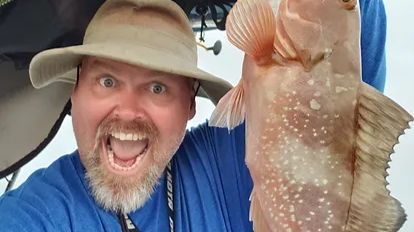
Meet your Captain Ronald Jones
- Experience Finest Florida Fishing Charters Today!



Summary
Join us for an action-packed fishing charter in Placida, FL this Friday August. Saltwater Spoiled Fishing offers exciting inshore and nearshore Gulf trips targeting various species including the unique Oyster Toadfish. Captain Ronald Jones provides all the gear and expertise you need for a productive day on the water. We mix up techniques including live bait fishing, sight fishing, and trolling to maximize your chances of success. Our 3/4 Day Trips are perfect for anglers of all experience levels looking to enjoy the diverse fishing opportunities around Grove City-Rotonda. Whether you're after table fare like snapper or the thrill of catch-and-release with massive Goliath Grouper, we'll customize the experience to your preferences.
Fishing Charter with Ronald Jones – Rates & Booking
Captain Ronald Jones of Saltwater Spoiled Fishing on Friday August offers 3/4 Day Trips perfect for anglers looking for a complete fishing experience. We launch early morning to maximize your time on the productive waters around Grove City-Rotonda. Our charter provides all necessary fishing equipment, live bait, and fishing licenses for your convenience. With both inshore and nearshore Gulf options available, we can customize your trip based on conditions and target species.
Highlights of Saltwater Spoiled Fishing
Our versatile fishing approach combines multiple techniques including live bait fishing, sight fishing, and trolling to put you on the fish. The waters around Placida offer incredible diversity - from tasty snappers for the dinner table to the unforgettable battle with massive Goliath Groupers on nearshore reefs. The Grove City-Rotonda area provides consistent action throughout the season.
Weather conditions are carefully monitored to ensure both safety and fishing success. Even when rain moves through, we know the local patterns well enough to keep you in the action. Our experience with local waters means we can adjust quickly to changing conditions, ensuring you have the best possible day on the water regardless of weather shifts.
Local Species Insights: Oyster Toadfish
The Oyster Toadfish is one of the more unusual catches you might encounter in Placida waters. These ambush predators prefer structure like wrecks and reefs where they can hide and attack passing prey. Though not typically a targeted species, they make for an interesting catch with their distinctive appearance and grunting vocalizations. When fishing rocky areas or oyster beds in the area, don't be surprised if you hook one of these unique creatures. Their powerful jaws and tenacious fight make them memorable, even if they're typically released rather than kept for the table.
Plan Your Fishing Charter Day
For your day with Saltwater Spoiled Fishing, dress in layers and bring sun protection, as Florida weather can change quickly. Our boat is fully equipped with safety gear, fish-finding technology, and comfortable seating for up to three anglers. We recommend bringing a camera to document your catches, especially if you hook into one of those massive Goliath Groupers! A small cooler for personal beverages and snacks is welcome. We provide all fishing equipment, but feel free to bring your favorite rod if you prefer. Most trips begin early morning when the bite is best, and we'll communicate specific departure times when you book.
Fishing in Florida: Oyster Toadfish
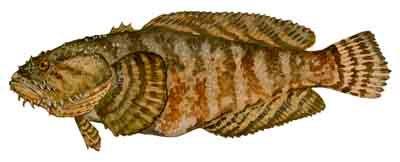
The Oyster Toadfish (Opsanus tau), belonging to the family Batrachoididae and order Batrachoidiformes, is one of the more unusual catches you might encounter in Placida waters. In Placida waters this August, these distinctive fish with their flattened bodies, large mouths, and "whiskers" make for an interesting, if unexpected, catch during nearshore fishing trips.
Oyster Toadfish Overview
The Oyster Toadfish is a robust, scaleless fish with a wide mouth and distinctive "whiskers" or barbels. They're nicknamed "ugly toad," "oyster cracker," and "bar dog" due to their appearance and habitat preferences. Despite their unconventional looks, they're fascinating creatures that play an important role in their ecosystem.
Oyster Toadfish Habitat and Distribution
These fish primarily inhabit shallow, brackish waters along the eastern seaboard of the United States. They're particularly fond of structured environments like oyster beds, reefs, and wrecks where they can camouflage themselves. Around Placida, they're commonly found in areas with good structure and shellfish beds, especially in the nearshore Gulf waters.
Oyster Toadfish Size and Weight
Typically measuring between 12 and 16 inches in length, Oyster Toadfish usually weigh between 3 and 5 pounds. Their stout bodies give them surprising strength when hooked, often surprising anglers expecting a larger fish based on the fight.
Oyster Toadfish Diet and Behavior
As ambush predators, Oyster Toadfish feed primarily on crustaceans, mollusks, smaller fish, and various invertebrates. They're known for their patience, often lying in wait for extended periods before lunging at passing prey. Their powerful jaws can crush oyster and crab shells with ease, hence one of their nicknames, "oyster cracker."
Oyster Toadfish Spawning Season
These fish have fascinating reproductive behavior. Males build nests under shells or in crevices and produce a distinctive humming sound to attract females. After spawning, the male guards the eggs until they hatch, which can take up to a month. In Florida waters, spawning typically occurs in late spring through early summer.
Oyster Toadfish Fishing Techniques
While not typically targeted specifically, Oyster Toadfish are often caught while fishing for other species around structure. They readily take baited hooks, particularly those baited with shrimp, crab, or cut bait fished near the bottom. In August, anglers around Placida often encounter them while fishing near oyster beds or artificial reefs with bottom rigs. They put up a surprisingly strong fight for their size, using their broad tails and muscular bodies effectively.
Oyster Toadfish Is It Good to Eat?
Though edible, Oyster Toadfish are rarely kept for the table. They have a firm, white flesh but are difficult to clean due to their tough skin and minimal yield. Most anglers practice catch and release with these fish, appreciating their unique appearance and role in the ecosystem rather than their culinary value.
Oyster Toadfish Frequently Asked Questions
Q: What is the best bait for Oyster Toadfish?
A: While not typically targeted, they readily take natural baits like shrimp, crab pieces, clams, and cut bait. Bottom rigs with these baits near structure will often produce bites if toadfish are present.
Q: Where can I find Oyster Toadfish near Placida?
A: Look for them around oyster beds, rocky areas, dock pilings, and artificial reefs in the nearshore Gulf waters. They prefer structured environments where they can ambush prey.
Q: Is Oyster Toadfish good to eat?
A: While technically edible with white, firm flesh, they're rarely kept for food. They're difficult to clean, yield relatively little meat, and most anglers practice catch and release with them.
Q: When is the best time to catch Oyster Toadfish?
A: They can be caught year-round but are more active during warmer months. In Placida, summer through early fall often sees increased activity, making August a good time to encounter them.
Q: Do Oyster Toadfish make noise?
A: Yes, they're known for their distinctive vocalizations. Males produce a boat-whistle-like sound or hum during mating season, and both sexes can produce grunting sounds when handled or stressed.
Q: Are Oyster Toadfish dangerous to handle?
A: They should be handled with care due to their powerful jaws and sharp teeth. Using pliers to remove hooks is recommended, and anglers should be cautious of their spines, which can cause painful punctures.